What the heck‘s a Sexologist?

Well, I’m not exactly sure.  I discovered this word while using google analytics.  People looking for sex therapy search for a “sexologist.”  According to Wikipedia, “Sexology is the study of human sexuality, including human sexual interests, behaviors and functions.   Topics of study include sexual development, sexual orientation, gender identity, sexual relationships, sexual activities, paraphilias, and atypical sexual interests.”  Many of these topics comprise what I treat in my practice. However, people searching under this term may be looking for how they might enjoy better sexual lives rather than the most recent research on human sexuality.

I do believe that in couples counseling talking about your marital sexual interactions should be addressed.  Very often, clients who have previously worked on their marriages have neglected to work on their sexual relationship.   If your marital communication is poor it follows that your sexual life may also suffer.

In general, we view our sexual relationship as separate from other aspects of our marriage.  However, they are intrinsically tied to each other. If, for example, we are always fighting with each other this most likely has a profound impact on the frequency of your sexual expression.  Some couples have great makeup sex while others simply stop having sex when there is too much conflict. Maintaining a healthy sexual life enhances the strength of any marriage.

What does a healthy sexual life look like?  Each partner defines what they believe a healthy sex life would include.  For example, feeling gratified, expressing your needs and desires, talking about what you enjoy and what you don’t enjoy.  These topics define what couples say they require to feel sexually complete. Also, being honest with your partner if there’s something that they do sexually that bothers you tell them, instead,  share with them how they can sexually please you.

If you are looking for a “Sexologist” or more importantly someone who can help you with your sexual relationship don’t hesitate to call Dr. Barbara Goschi.  She’s here to help. You can reach her by phone at (312) 595-1787 or email her at barbara@drgoschi.com.
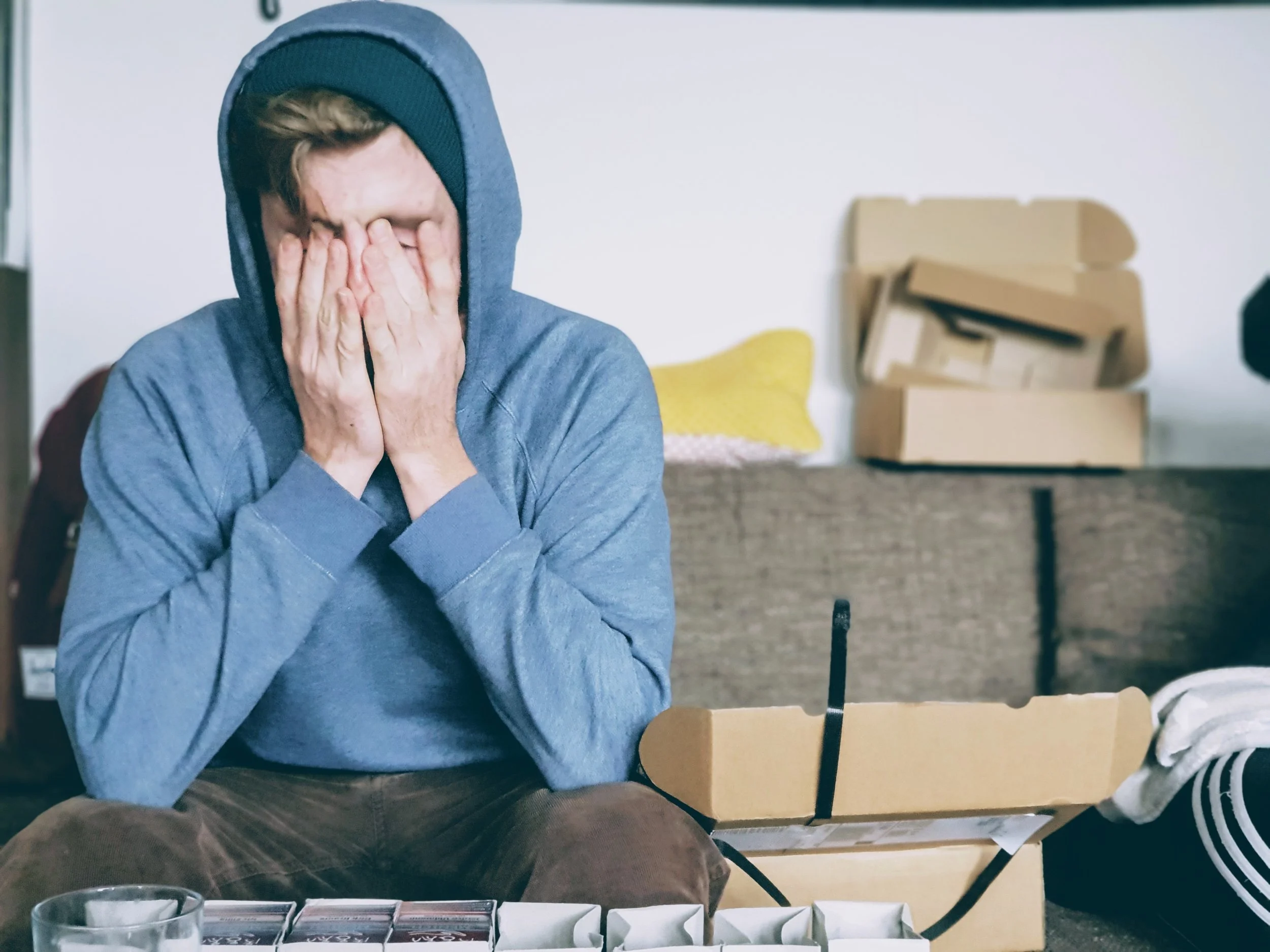
Mindful Eating During Stressful Times

It is important to address how our behaviors have changed during the pandemic. For instance, at times the weather does not permit us to go outside, with that being said, being stuck inside can cause you to graze for food even though you may not be hungry or due to stress you may not be eating enough. If you find yourself struggling to keep a normal diet for your body type, try to increase the awareness of your food intake.

For instance, you can try scheduling when you eat your food, keep a food diary of what you may have consumed throughout the day, or you can get rid of the unhealthy food in your house so that if you are grazing at least you are eating something that is good for your body. In addition, you can even count your calories so that you are visibly able to see if you have reached your caloric goal. When eating meals it is important that you are mindful of the food you are putting into your body. Pay attention to each bite you are taking and enjoy the nourishment that you are consuming rather than scarfing the food down until you are uncomfortably full or starving your body from getting the energy it needs.

Eating is all about balance but also paying close attention to how the food affects your body. Listen to what your body needs. In addition, you also want to be aware of the thoughts you have after you consume food. If you do not have a good relationship with food you may want to try changing your habits or seek additional help due to the fact the relationship individuals have with self-esteem and food can be a very complex one. Do not hesitate to reach out during this unfortunate time, you are not alone. 

Written by Daniella Raymondi, LPC

Covid Set Backs: Isolation results in self-destructive patterns for many

Covid Set Backs: Isolation results in self-destructive patterns for many

Being hunkered down in our home may initially feel like a snow day until weeks and weeks start to add up. The healthiest of us might engage in adaptive behaviors like reading more, exercising more, having fun zoom talks with our friends. However, many more engage in self-defeating behaviors like social isolation, overeating, binge drinking or generally self-destructive behaviors as methods of coping with the extreme stress. While some feel more productive while at home others feel like they work nonstop. They find it impossible to set boundaries between work and personal life.